Atrantil Review 2026 - Does It Work for Methane Bloating? is presented for informational purposes by Elmont Drugs. Talk to a pharmacist or your physician before starting any new supplement, device or treatment.
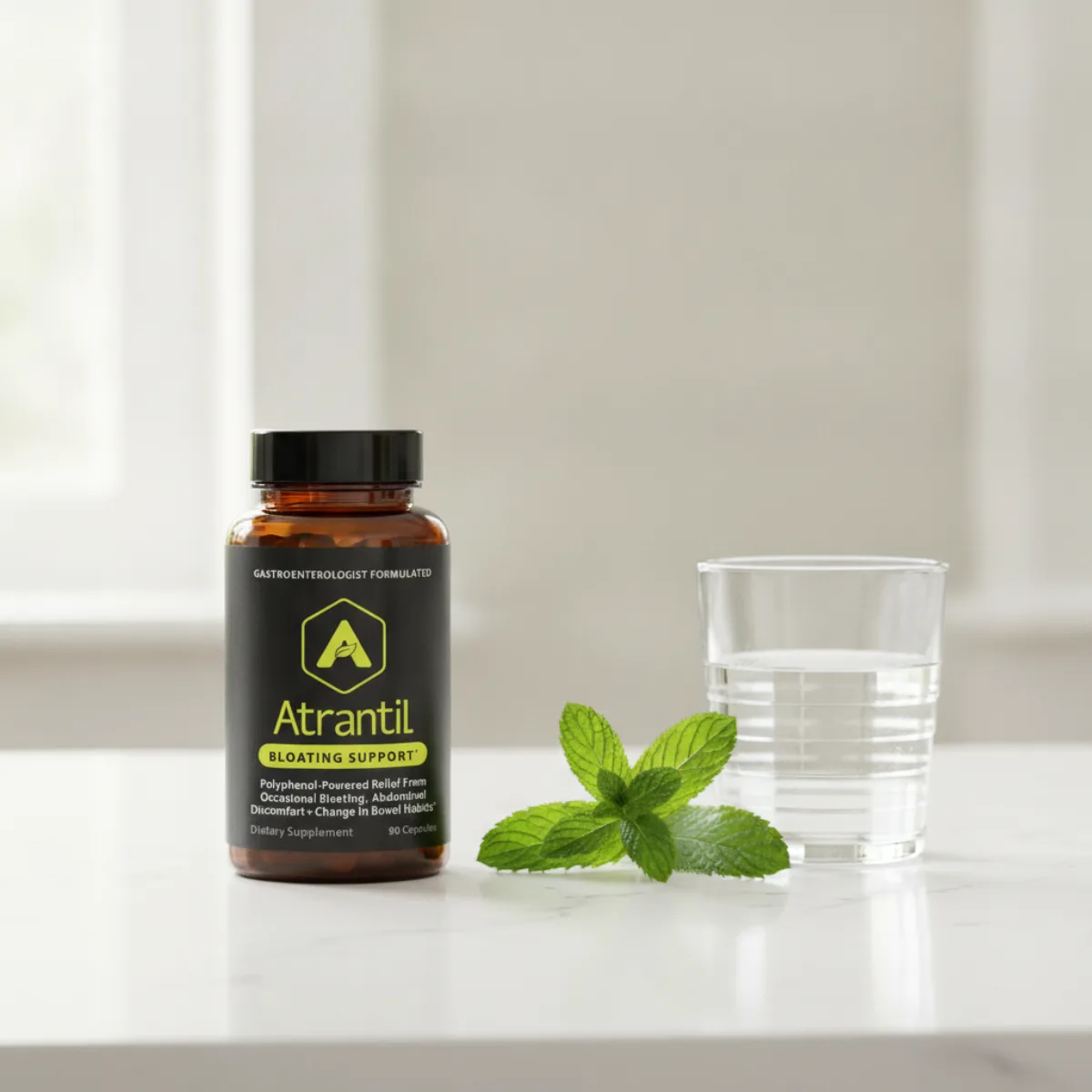 Methane / SIBO
Atrantil Review: Does It Really Work for Methane Bloating?
1943 reviews
An honest Atrantil review: how the polyphenol formula targets methane bloating, what the (small) clinical study really shows, the loading-dose cost catch, who it helps, and whether it's worth it.
Published July 3, 2026
Is Atrantil worth it? My honest review at a glance
Atrantil is one of the few genuinely science-minded products in the bloating aisle. It's a gastroenterologist-founded (Dr. Kenneth Brown) polyphenol supplement built to target a very specific, often-missed cause of bloating: methane produced by microbes in your gut, the driver behind a lot of stubborn IBS-C and "methane SIBO/IMO" cases. Instead of another probiotic or enzyme, it uses three botanicals that starve and quiet the methane-producing microbes — and it has an actual published study behind it, which is rare here. But it's not a magic cure: the study is small and founder-run, the dosing is heavy and pricey during the loading phase, and it only really targets methane bloating — not every bloated belly. Let's separate the real science from the marketing.
I went through how it works, what the evidence honestly shows, who it's for, the loading-dose cost catch, and the side effects. Here's my straight, sourced take.
A genuinely novel, doctor-founded polyphenol supplement targeting methane-associated bloating (IBS-C / methane SIBO/IMO) — a real, specific problem most bloat products ignore. It's not an antibiotic; it binds hydrogen and blocks methane production. It even has a published study (rare here). The honest catches: that study is small and founder-run, the loading dose is 6 capsules a day (a bottle lasts ~15 days — ~$80/month at first), it only targets methane bloating, and results take weeks. Legit and science-backed for the right person — if methane is your issue.
The essentials of my Atrantil review
My rating: 7/10 — a genuinely science-based, doctor-founded product targeting a real bloating subtype, held back by small (founder-run) evidence, a heavy loading dose, and a niche use case.
Key spec: 2 capsules 3× daily with meals (loading) — 3 botanicals targeting methane.
| Detail | Atrantil |
|---|---|
| Brand | Atrantil (KBS Research) — founded by Dr. Kenneth Brown, gastroenterologist |
| Format | Capsules — 90 per bottle; 2 caps 3× daily with meals (loading), then maintenance |
| Ingredients | Quebracho colorado (polyphenol), horse chestnut (saponins), peppermint leaf |
| Targets | Methane-associated bloating, IBS-C, methane SIBO / IMO (not all bloating) |
| Evidence | A published (peer-reviewed) but small, founder-associated study |
| Price | $39.95/bottle; 60-day money-back guarantee |
✅ What I liked about Atrantil
- ✅ Genuinely novel, science-based mechanism — targets methane production, which most bloat products completely ignore.
- ✅ Doctor-founded with a published study — a real gastroenterologist and actual (if small) peer-reviewed data.
- ✅ Not an antibiotic — it starves methane microbes rather than nuking your whole flora.
- ✅ Can be a genuine breakthrough for the right person — many with methane/IBS-C report real relief.
- ✅ A 60-day money-back guarantee lowers the risk of trying it.
❌ What held Atrantil back
- ❌ Small, founder-run study — the "88%" comes from tiny trials by the founder; it needs bigger independent replication.
- ❌ Heavy loading dose — 6 capsules a day means a bottle lasts ~15 days (~$80/month at first).
- ❌ Niche — it targets methane bloating, so it won't help many other bloating types.
- ❌ Slow + occasional side effects — takes weeks, and a minority report die-off symptoms.
💡 Best if your bloating is methane-related (IBS-C / methane SIBO) — the 60-day guarantee makes it low-risk to test.
In this Atrantil review:
- What is Atrantil, and how does it work?
- Does Atrantil actually work for methane bloating?
- Who is Atrantil for, and who won't it help?
- How do you take Atrantil, and what's the loading-dose catch?
- How much does Atrantil really cost?
- Is the Atrantil clinical study credible?
- Are there side effects to Atrantil?
- How does Atrantil compare to antibiotics and herbal antimicrobials?
- My verdict on Atrantil
- Atrantil FAQ
What is Atrantil, and how does it work?
Atrantil is a botanical supplement created by Dr. Kenneth Brown, a gastroenterologist, to tackle a specific and frequently-overlooked cause of bloating: methane gas. Certain microbes in the gut (methane-producing archaea, "methanogens") take hydrogen and turn it into methane — and methane slows down your gut, causing the distension, bloating and constipation of IBS-C and "methane SIBO/IMO." Atrantil is designed to interrupt that process.
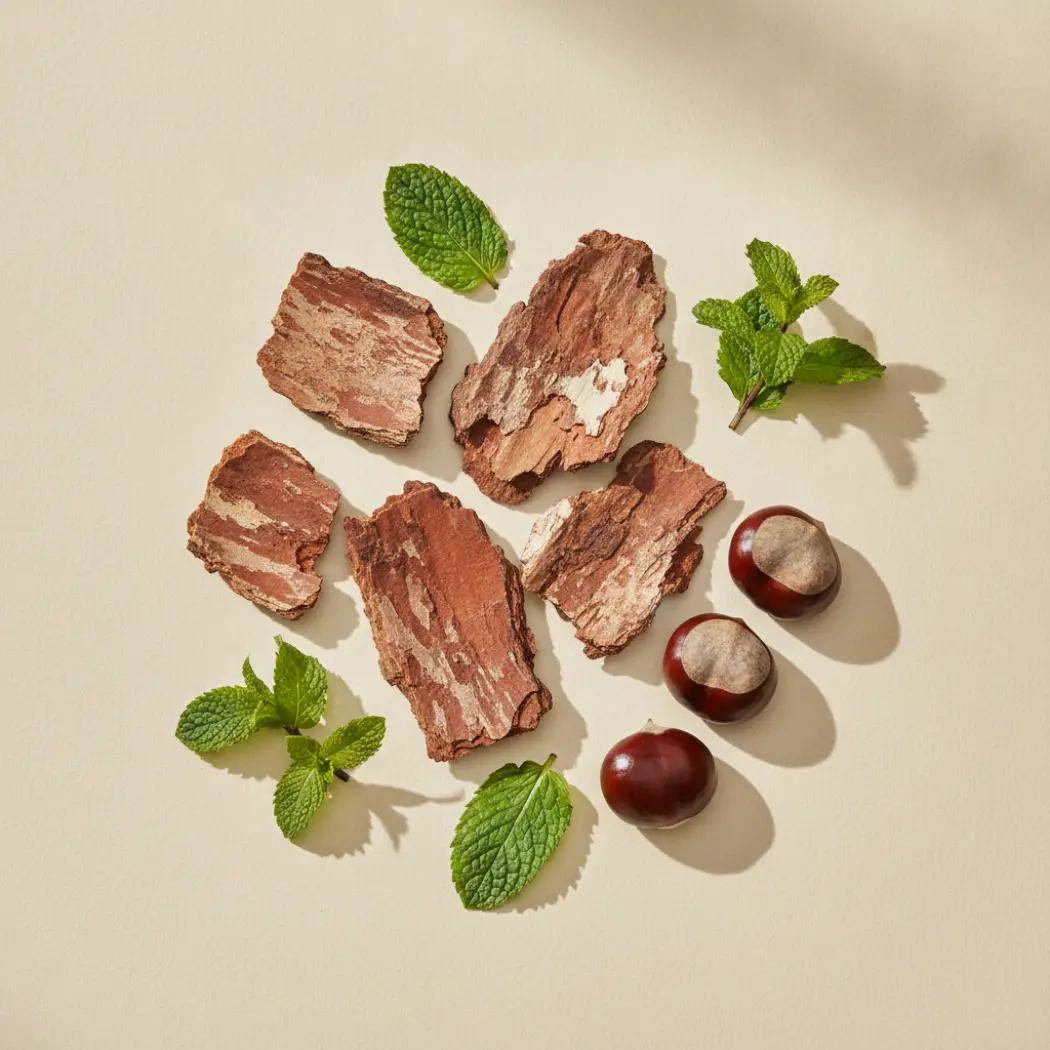
Its three ingredients each play a role:
- 🌳 Quebracho colorado (a polyphenol) — binds up the free hydrogen that methanogens use as fuel, essentially starving them.
- 🌰 Horse chestnut (saponins) — interferes with the enzyme methanogens use to make methane, quieting them.
- 🌿 Peppermint leaf — a soothing antispasmodic that relaxes the gut and eases cramping.
💡 The crucial point: Atrantil is not an antibiotic. It doesn't blast your whole microbiome the way rifaximin (Xifaxan) does — it specifically starves and silences the methane producers while largely sparing your good bacteria. That's a genuinely clever, targeted mechanism, and it's why this product is different from every probiotic and enzyme in the aisle.
Does Atrantil actually work for methane bloating?
For the right person — someone whose bloating is genuinely methane-driven — the answer is a qualified but real yes. This is one of the better-evidenced products in the category, and the reviews reflect that (4.4/5 from nearly 2,000 reviews), though they're polarized.
🗓️ What to realistically expect:
- A lucky minority report dramatic relief within days ("bloating gone after 30 years," "motility I haven't had in 5 years").
- Most responders need the full 20–30 day loading protocol before judging — this is not a same-day fix.
- The disappointed reviews largely come from people whose bloating wasn't methane-related in the first place, or who quit after a few days.
⚠️ The fair read: Atrantil has a plausible mechanism and published data showing meaningful symptom improvement in methane-associated IBS-C — more than almost anything else here can claim. But it's not a guaranteed or instant cure, it works best as part of a broader gut plan (some people stack it with other approaches), and it won't fix bloating that isn't coming from methane. Matched to the right problem and given a full month, it genuinely helps many; used as a generic debloat pill, it disappoints.
Who is Atrantil for, and who won't it help?
This is the single most important thing to get right, because it explains the split reviews.
👍 Atrantil is built for you if your bloating is methane-related — especially IBS-C (constipation-predominant), "methane SIBO," or IMO (intestinal methanogen overgrowth), often confirmed by a breath test showing high methane. If you get a distended, "nine-months-pregnant" belly with sluggish, constipated digestion, methane may well be your driver — and this is one of the few products that targets it.
👎 It probably won't help if your bloating comes from:
- Food-triggered digestion (heavy meals, dairy) — an enzyme fits better.
- Hydrogen-dominant SIBO, hormonal bloat, or non-SIBO causes — the methane mechanism won't apply.
- An undiagnosed condition — get evaluated first, ideally with a breath test.
➡️ So the "did nothing for me" reviews are usually a mismatch, not a product failure. If you have (or strongly suspect) methane/IMO or IBS-C, Atrantil is genuinely worth a try; if your bloating is a different type, this specific tool won't be your answer.
How do you take Atrantil, and what's the loading-dose catch?
Here's the practical detail the marketing underplays. The Atrantil protocol is 2 capsules, 3 times a day with meals — that's 6 capsules daily during the loading phase (typically up to 20–30 days). Once symptoms improve, you drop to a lower maintenance dose.
⚠️ The catch: at 6 capsules a day, a 90-capsule bottle lasts only about 15 days — so the loading phase realistically takes about two bottles. Many buyers are surprised the bottle empties in two weeks rather than 45 days. And crucially, you have to give it the full loading period — quitting at day 5 because "nothing happened" is a false negative, since it often takes a few weeks to shift methane levels.
➡️ How to do it right: commit to the full loading protocol (budget for ~2 bottles), take it consistently with meals, and judge results at the end of the 20–30 days — then step down to maintenance. Going in expecting a one-bottle, one-week fix sets you up to quit too early and waste the money.
How much does Atrantil really cost?
A bottle is $39.95 (less on subscription), which sounds moderate — until you factor in the loading dose. At 6 capsules a day, you'll go through about two bottles a month during loading, so the real first-month cost is closer to ~$80. After that, maintenance dosing brings the ongoing cost down.
💰 So Atrantil is a genuine investment up front — more than a bottle of Gas-X or a generic enzyme — but it's still far cheaper than a course of prescription antibiotics for methane SIBO, and it's targeting a specific problem those cheaper products don't touch.
➡️ The value verdict: if methane bloating is genuinely your issue, the loading cost is reasonable for a doctor-formulated, evidence-backed, drug-free option — especially with the 60-day money-back guarantee to fall back on if it doesn't work. If you're not sure methane is your driver, the ~$80 loading commitment is a real reason to confirm your bloating type (ideally a breath test) before diving in.
Is the Atrantil clinical study credible?
This deserves an honest answer, because Atrantil leans on its "88% of patients improved" stat. The reality: the science is real and better than most supplements have — but it comes with genuine caveats.
✅ To its credit: Atrantil has genuinely published, peer-reviewed data in IBS-C patients — a small placebo-controlled randomized trial and a separate case review both showing significant symptom improvement. Most bloat supplements have nothing like this, and there's even an independent university trial (Northwestern) that has studied it for methane/IMO — a further credibility signal.
⚠️ But the honest limits matter:
- The famous "88% improved" figure comes from a small retrospective case review of just ~24 patients (not a controlled trial), and the one true randomized placebo-controlled trial on the product was only ~16 people over two weeks — tiny, short, and mostly women.
- Those studies were run by the founder (Dr. Brown, who invented and sells the product) — a real conflict of interest. A larger 2025 trial supported the quebracho/chestnut ingredients, but it tested a different brand and was industry-funded, not Atrantil itself.
➡️ The takeaway: Atrantil is promising, mechanistically-sound, and genuinely more evidence-backed than almost any of its peers — but not definitively proven like a drug. The doctor-founder and published data are real strengths; just weight the "88%" as an encouraging early signal from small, founder-run studies, not large independent proof.
Are there side effects to Atrantil?
Most people tolerate it well, but there are real things to know:
- ⚠️ "Die-off" / Herxheimer-type symptoms — as methane microbes are affected, some people get temporary worsening (gas, headache, fatigue) in the first days; it usually settles.
- ⚠️ A minority report headaches, brain fog, anxiety or even heart palpitations — uncommon, but stop if you react badly.
- ⚠️ Horse chestnut caution — it can affect blood clotting, so check with a doctor if you take blood thinners.
- ⚠️ Peppermint can aggravate acid reflux in some people.
- ⚠️ If you're pregnant, breastfeeding, or on medication, confirm with a professional — and get persistent or severe bloating properly evaluated rather than self-treating.
A pharmacist can quickly check interactions — see how your pharmacist can help you manage a chronic gut condition safely.
How does Atrantil compare to antibiotics and herbal antimicrobials?
For methane bloating specifically, here's how Atrantil sits against the main options.
| Option | Type | Note |
|---|---|---|
| Atrantil | Polyphenol/botanical (OTC) | Targets methane, not an antibiotic; doctor-founded, published study |
| Rifaximin + Neomycin (Xifaxan) | Prescription antibiotics | Standard medical methane-SIBO treatment; effective but Rx, pricey, antibiotic |
| Oregano oil / Allicin | Herbal antimicrobials | Used for SIBO; broader (kills microbes); often stacked with Atrantil |
| Berberine | Herbal antimicrobial | Antimicrobial for SIBO; cheaper, less methane-specific |
So which should you choose? For a medically-managed methane-SIBO case, the standard is prescription rifaximin + neomycin (talk to a GI doctor). For a drug-free, targeted, at-home approach, Atrantil is the most methane-specific option and the only one with its own published study — and some people combine it with an herbal antimicrobial like oregano oil under guidance. Atrantil's edge is being specific, drug-free and evidence-backed; its limit is that it's a supplement, not a diagnosis or a guaranteed eradication.
My verdict on Atrantil — should you buy it?
Is Atrantil worth it? My verdict is: a genuinely science-based product for a real, specific problem — 7/10.
Atrantil is one of the most legitimate products I've reviewed in this whole category. It's doctor-founded, mechanistically clever, and actually has a published study — and it targets methane-associated bloating (IBS-C / methane SIBO), a real, often-missed cause that almost every other bloat product completely ignores. For the person who genuinely has that problem, it can be a real breakthrough, and the 60-day guarantee makes it a low-risk experiment.
What keeps it at a 7: the headline evidence rests on small, founder-run studies (encouraging, not definitive), the loading dose is heavy and pricey (6 capsules a day, ~$80 the first month), it works slowly (weeks, with occasional die-off), and it's niche — useless if your bloating isn't methane-driven. It's excellent at a specific job, and beside the point for everyone else.
- 👍 Buy Atrantil if you have (or strongly suspect) methane bloating / IBS-C / methane SIBO, you want a drug-free, doctor-formulated, evidence-backed option, and you'll commit to the full loading protocol.
- 👎 Skip it if your bloating is food-, hydrogen- or hormone-related (it won't target that), you're not willing to do 6 capsules/day for a few weeks, or you haven't confirmed methane is your issue (get a breath test first).
➡️ Bottom line: Atrantil is a rare thing in the debloat aisle — a targeted, drug-free, genuinely science-based product from a real gastroenterologist, aimed at the specific methane problem behind a lot of stubborn IBS-C. If that's you, it's well worth a properly-committed try (with the guarantee as backup). If methane isn't your driver, it's the wrong tool — so confirm your bloating type first, then decide.
Best for methane bloating / IBS-C — commit to the full loading dose, and use the 60-day guarantee.
Atrantil FAQ
Does Atrantil actually work?
For methane-associated bloating (IBS-C, methane SIBO/IMO), yes for many people — it has a plausible mechanism and a published study showing symptom improvement, and reviews are largely positive. But it's slow (weeks), niche (methane only), and the study is small and founder-run. If your bloating isn't methane-driven, it likely won't help.
Is Atrantil an antibiotic?
No. Unlike rifaximin (Xifaxan), it doesn't kill off your microbiome. Its quebracho polyphenol binds the hydrogen that methane microbes feed on, and horse chestnut saponins block methane production — so it starves and quiets the methanogens while largely sparing your good bacteria.
How do you take Atrantil, and how long until it works?
The loading protocol is 2 capsules 3 times a day (6 daily) with meals, for about 20-30 days, then a lower maintenance dose. Some people feel better within days, but give it the full loading period before judging — quitting after a few days is the main reason for "it didn't work" reviews.
How much does Atrantil cost, and does a bottle last a month?
A bottle is $39.95, but at 6 capsules a day it lasts only about 15 days — so loading takes roughly two bottles (~$80 the first month). Maintenance dosing is cheaper afterward. It's more than a generic enzyme but far less than prescription antibiotics, and there's a 60-day money-back guarantee.
Is the Atrantil study legit?
It's real and peer-reviewed — more than most supplements have — but the core trials were small (a couple dozen people), short, and associated with the founder, Dr. Kenneth Brown. So treat the "88% improved" as an encouraging early signal from small, founder-run studies, not large independent proof.
Who should not take Atrantil?
Skip it (or check with a doctor) if you take blood thinners (horse chestnut can affect clotting), are prone to acid reflux (peppermint), or are pregnant or breastfeeding. It's also the wrong tool if your bloating isn't methane-related — confirm your type, ideally with a breath test, first.
Can you take Atrantil with other SIBO treatments?
Many people do — some stack it with herbal antimicrobials like oregano oil, or use it alongside a doctor-guided methane-SIBO protocol. Since it's not an antibiotic, it's often combined rather than used alone. Coordinate with your doctor if you're treating diagnosed SIBO.
Keep reading before you buy Atrantil
Bloating has different causes — here's how Atrantil compares to other targeted options:
- NuEthix Bloat-Eaze Pro review — targets the gut barrier and IBS-D (diarrhea), the flip side of Atrantil's IBS-C/methane focus.
- FODZYME review — an enzyme for FODMAP (garlic/onion) bloating, a different mechanism from Atrantil's polyphenols.
- Florastor Advanced Gas & Bloat review — a probiotic option (note: probiotics can sometimes worsen SIBO).
- How your pharmacist helps manage medications and supplements — useful if you're managing IBS or SIBO long-term.
Disclaimer: This Atrantil review is independent editorial information, not medical advice. Dietary supplements are not intended to diagnose, treat, cure or prevent any disease. Atrantil's evidence comes from small, founder-associated peer-reviewed studies in methane-positive IBS-C patients; it is not a proven cure and targets methane-associated bloating specifically, not all bloating or hydrogen-dominant SIBO. It contains horse chestnut (which may affect blood clotting — caution with blood thinners) and peppermint (which may worsen reflux). If you are pregnant, breastfeeding, on medication, or have persistent, severe, or unexplained bloating or a suspected SIBO/IBS condition, consult a licensed healthcare professional and consider proper testing (such as a breath test) rather than self-treating. This page may contain affiliate links; we may earn a commission at no extra cost to you, which never changes our honest assessment. Pricing and formulation were accurate at the time of writing (July 2026) and may change — verify on the official site.