Akka Review 2026 - Legit Akkermansia or a Detox Scam? is presented for informational purposes by Elmont Drugs. Talk to a pharmacist or your physician before starting any new supplement, device or treatment.
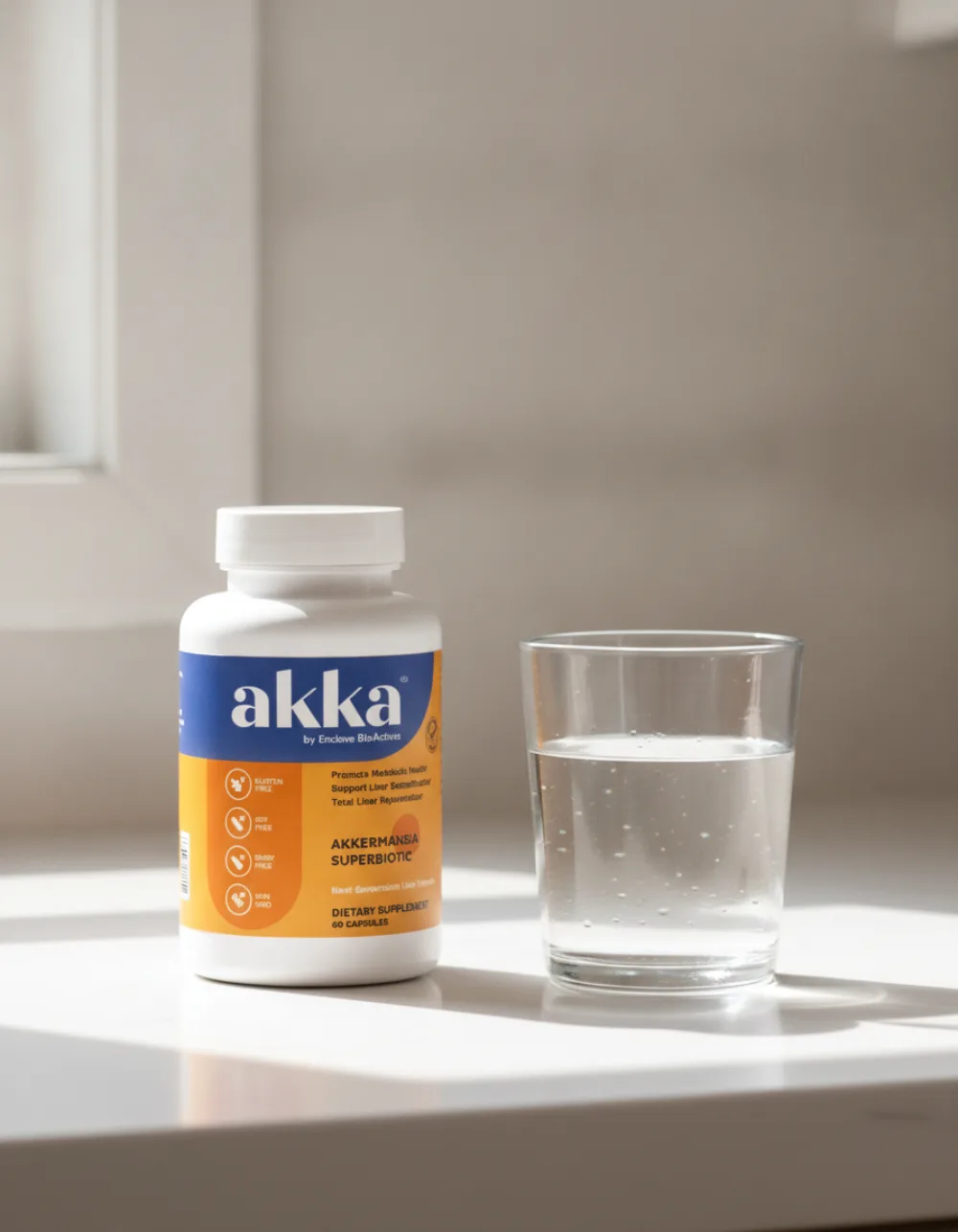 Akkermansia
Akka Review: Is This Akkermansia Liver Detox Legit or Hype?
174 reviews
An honest Akka (Superbiotic) review: whether the pasteurized Akkermansia and milk thistle actually work, the truth about "liver detox," whether the brand is legit, how it compares to Pendulum, and if it's worth $50.
Published July 3, 2026
Is Akka worth it, or is it a scam? My honest review at a glance
Akka (full name: the Akka Premium Liver Cleanse Detox & Repair Superbiotic) is one of those supplements you've probably met through a slick TikTok or Facebook ad promising a "liver detox" that fixes bloating, brain fog, fatigue and belly fat. It pairs a trendy next-generation gut microbe, Akkermansia muciniphila, with milk thistle, resveratrol, quercetin and artichoke. Here's my job in this review: to tell you honestly whether Akka is a legitimate product or an overhyped direct-response funnel — because the truth sits in an uncomfortable middle. The ingredients aren't fake, but the "detox," weight-loss and "superbiotic" framing runs well ahead of the science, and the brand behind it raises some flags. Let me walk you through it.
I dug into whether the brand is legit, whether the "3 billion Akkermansia" means anything, the liver-detox myth, what it can and can't do for bloating and weight, and how it compares to the clinically-studied option. Here's my straight, sourced take.
Akka is a real product with real ingredients (pasteurized Akkermansia does have some metabolic data; milk thistle is a genuine dose) — but it's sold on a debunked "liver detox" premise, with weight-loss claims that outrun the evidence, an opaque direct-response brand, and a misleading "superbiotic" label (the Akkermansia is pasteurized — a postbiotic, not a live probiotic). The "3 billion" is marketing theater. At ~$50 with a slick funnel, it's an easy skip for most people — the clinically-studied alternative is more honest about what it does.
The essentials of my Akka review
My rating: 4/10 — real ingredients undercut by a debunked "detox" premise, overreaching claims, an opaque brand, and misleading marketing.
Key spec: 2 capsules daily — pasteurized Akkermansia + milk thistle blend.
| Detail | Akka Superbiotic |
|---|---|
| Brand | Akka, by Enclave BioActives (sold via tryakka.online / tryakka.com) |
| Format | Capsules — 60 per bottle; 2 daily |
| Ingredients | ~3B pasteurized Akkermansia muciniphila, milk thistle (silymarin), resveratrol, quercetin, artichoke |
| Marketed for | "Liver detox," metabolism, weight, bloating, energy (claims run ahead of evidence) |
| Reality | A postbiotic + liver herbs; modest evidence, oversold marketing |
| Price | $49.99–$69/bottle; bundles; 90-day money-back guarantee |
✅ What's genuinely okay about Akka
- ✅ Real, on-trend ingredient — pasteurized Akkermansia has some legitimate emerging metabolic research behind it.
- ✅ A real milk thistle dose — the silymarin content is in a genuine, clinical-range ballpark.
- ✅ Clean-label basics — gluten-, soy-, dairy-free and non-GMO.
- ✅ A 90-day money-back guarantee — at least on paper.
❌ What's wrong with Akka
- ❌ Sold on a myth — your liver detoxes itself; "detox/cleanse" supplements aren't proven to do it.
- ❌ Misleading "superbiotic" — the Akkermansia is pasteurized (dead) = a postbiotic, not a live probiotic.
- ❌ Overreaching claims — weight loss and bloating benefits run well ahead of the actual (modest) evidence.
- ❌ Opaque, red-flag brand — direct-response funnel, fake urgency, low third-party trust scores.
💡 Curious about Akkermansia? A clinically-studied, transparent option may serve you better — see the comparison below.
In this Akka review:
- What is Akka, and how is it supposed to work?
- Is Akka legit, or just a slick funnel?
- Does the "3 billion Akkermansia" in Akka actually mean anything?
- Can Akka actually detox or repair your liver?
- Does Akka work for bloating and weight loss?
- How does Akka compare to Pendulum and plain milk thistle?
- How much does Akka cost, and is the refund real?
- Are there side effects to Akka, and who should skip it?
- My verdict on Akka
- Akka FAQ
What is Akka, and how is it supposed to work?
Akka is a capsule that combines a gut microbe with liver-support botanicals. The pitch is a "gut-liver axis": support the gut lining with Akkermansia, "detox" the liver with milk thistle and friends, and supposedly the bloating, fatigue, brain fog and belly fat melt away. You take two capsules a day.
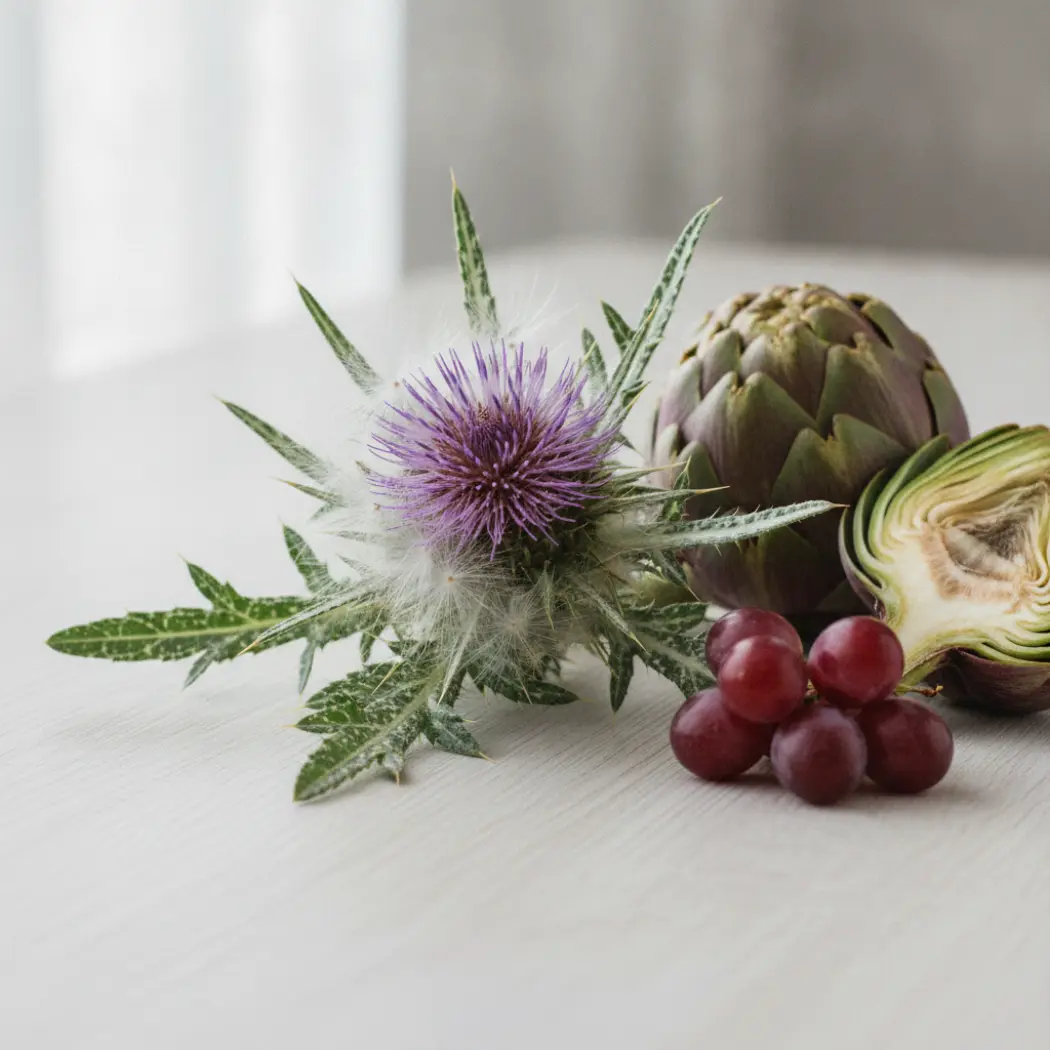
Its ingredients:
- 🦠 Akkermansia muciniphila (~3 billion, pasteurized) — a next-gen gut microbe tied to the gut lining and metabolism.
- 🌿 Milk thistle (silymarin) — the classic "liver" herb; the main liver-support active.
- 🍇 Resveratrol & quercetin — antioxidant polyphenols.
- 🌱 Artichoke leaf — a traditional digestive/liver botanical.
💡 It's a reasonable-sounding stack on the surface. The problems start when you look at how it's sold, what form the Akkermansia is in, and whether "liver detox" is even a real thing — which is exactly what the rest of this review digs into.
Is Akka legit, or just a slick funnel?
This is the question most people are really Googling, so let me be direct: Akka is a real product, but the brand shows classic direct-response red flags.
⚠️ What raises my eyebrows:
- The brand (Enclave BioActives) sells through a standalone funnel site (tryakka.online / tryakka.com) rather than an established, transparent storefront.
- The sales page leans on fake urgency ("2K+ bought this month," bundle upsells, "buy 2 get 1 free," a bonus cookbook).
- A lot of the "reviews" that rank online are self-seeded press-release/newswire pieces, not independent editorial.
- Third-party trust checkers flag the domain as medium-risk, and independent buyer sentiment is mixed — including reports of refund/shipping friction.
➡️ The fair read: Akka isn't an outright fake — there's a real company and real capsules. But it's a textbook aggressive-marketing supplement: heavy claims, manufactured urgency, an opaque brand, and a review ecosystem it partly manufactured itself. That doesn't make it a scam, but it does mean you should trust the marketing about as far as you can throw it — and judge the product on the science, not the funnel.
Does the "3 billion Akkermansia" in Akka actually mean anything?
Akka leans on a big-sounding number — "3 billion" — and it's worth understanding why that's marketing theater.
🔬 Two things the number hides:
- Akka's Akkermansia is pasteurized — meaning the bacteria are dead. That makes it a postbiotic, not a live probiotic, so calling the product a "superbiotic" (implying live probiotic power) is misleading. The "3 billion" is a count of total cells (including non-viable ones), which you can't compare to the "100 million live units" a real probiotic like Pendulum lists — different units, not bigger-wins.
- 3 billion is actually below the studied dose. To its credit, Akka does name its strain (Akkermansia AH39) and disclose its herb doses — but the human studies on this pasteurized microbe used around 10 billion cells a day. Akka delivers roughly a third of that.
Here's the honest twist in Akka's favor: pasteurized Akkermansia isn't inherently bad — the research actually used the pasteurized form and found modest metabolic benefits. The catch is that Akka pairs a disclosed but under-dosed amount (3 billion vs the ~10 billion studied) with a misleading "superbiotic probiotic" label on what is really a dead-cell postbiotic.
➡️ So the impressive-sounding "3 billion" is, in reality, below the researched dose and counted in dead cells — not the strong number the marketing implies. And as you'll see next, the exact same AH39 strain is sold elsewhere for a fraction of Akka's price.
Can Akka actually detox or repair your liver?
This is the heart of Akka's marketing — and the heart of the problem.
🩺 The medical reality: your liver detoxifies itself, 24/7. Major medical sources (Johns Hopkins among them, and a 2026 gastroenterology analysis of "liver cleansing" products) are clear that "detox/cleanse" supplements are not proven to flush toxins in people without liver disease. A healthy liver doesn't need a $50 capsule to do its job.
What about the actual ingredients?
- Milk thistle (silymarin) — the dose here is in a real, clinical-range ballpark, but the evidence for it improving liver outcomes (like fatty liver or liver enzymes) is limited and inconclusive.
- Resveratrol, quercetin, artichoke — antioxidants with modest, mostly preliminary data; not proven liver "repair" agents.
⚠️ And a genuinely important safety point: supplement-related liver injury has been rising, and some botanical "liver" products can actually stress the organ. The irony of a "liver" supplement carrying that risk is not lost on me.
➡️ Bottom line: Akka cannot "detox," "cleanse" or "repair" your liver in the way its name promises — that premise is a myth. Its milk thistle is a real ingredient with inconclusive benefits, not a liver fix. If you have any liver concern, that's a doctor conversation, not a supplement purchase.
Does Akka work for bloating and weight loss?
These are the emotional hooks in the ads, so let's grade them honestly against the evidence.
⚖️ Weight loss: Akkermansia has genuine, interesting research for metabolic markers (like insulin sensitivity), and a 2025 trial showed modest waist/weight benefits. But "modest" is the key word — real-world results are on the order of a pound or two over months, not the dramatic fat-loss the marketing implies. It is not a weight-loss drug.
😮💨 Bloating: here the evidence is even thinner — most Akkermansia research is metabolic, and bloating-specific data is scarce. Some users report smoother digestion; others notice nothing, and a few report the opposite (see side effects).
➡️ The fair read: Akka might give some people mild digestive or metabolic benefit over weeks, thanks to a genuinely interesting microbe. But if you're buying it to melt belly fat or reliably kill bloating, the claims are running far ahead of the science, and you'll likely be disappointed relative to the ad that sold you.
How does Akka compare to Pendulum and plain milk thistle?
If Akkermansia or liver support is what you actually want, here's how Akka stacks up against the more honest options.
| Product | ~Price | What you get | Note |
|---|---|---|---|
| Akka | $49.99–$69 | 3B pasteurized AH39 Akkermansia (below studied dose) + liver herbs | Postbiotic + herbs; "detox" marketing; opaque brand |
| Codeage Akkermansia | ~$30 (≈$10/mo) | Same AH39 strain, live + inulin | Same strain as Akka, a fraction of the price |
| Pendulum Akkermansia | ~$65–$84 | 100M AFU live, clinically-studied strain | The transparent, researched option; no liver hype |
| Plain milk thistle (e.g. NOW) | ~$15–$25 | Standardized silymarin | If you just want the liver herb, far cheaper |
So which makes sense? Here's the detail that really stings: the exact same AH39 strain in Akka is sold by Codeage — live, with a prebiotic — for roughly $10 a month, versus Akka's ~$50. If you genuinely want to try Akkermansia, either the same-strain budget option (Codeage) or the most clinically-studied live version (Pendulum) is a more honest buy than Akka. If you just want milk thistle, buy it plain for a fraction of the price. Akka's pitch — combine them, under-dose the microbe, and call it a "liver detox superbiotic" — is the most marked-up way to get any of it. Beware the same "detox" logic in colon cleanses too.
How much does Akka cost, and is the refund real?
Akka runs $49.99 to about $69 for a single bottle (60 capsules = a 30-day supply at 2/day), with the usual "buy 2 get 1 free" and "buy 3 get 2 free" bundles nudging you to spend $99–$150 upfront. There's a 90-day money-back guarantee on paper.
💰 The value problem is stark once you break it down: you're paying ~$50/month for an under-dosed pasteurized postbiotic plus liver herbs — when the very same AH39 strain sells elsewhere for around $10 a month. The clinically-studied live Akkermansia (Pendulum) costs a bit more but is transparent about what you're getting; plain milk thistle costs a quarter as much. And the bundle pressure exists to get you to buy 3–5 bottles before you've tried one — the opposite of how you should test a supplement.
⚠️ On the refund: guarantees like this are common in direct-response, but independent buyers report refund and shipping friction. If you do try it, buy one bottle, keep records, and don't get talked into a multi-bottle bundle you'd have to fight to return.
➡️ Value verdict: for what it delivers, Akka is overpriced and over-bundled. The money is better spent on either the transparent Akkermansia or cheap standalone milk thistle — not this marked-up combination sold on a myth.
Are there side effects to Akka, and who should skip it?
For most healthy people, the ingredients are generally low-risk, but there are real cautions:
- ⚠️ Digestive upset — some users report stomach burning, nausea or diarrhea, especially early on.
- ⚠️ Liver caution — ironically for a "liver" product, some botanical liver supplements can stress the liver; supplement-related liver injury is rising. Anyone with a liver condition should talk to a doctor first.
- ⚠️ Medication interactions — milk thistle and quercetin can interact with some drugs; check if you take medication.
- ⚠️ Pregnancy/breastfeeding — not for use without professional guidance.
👎 You should skip Akka if you're buying it to "detox" a healthy liver (it can't), to lose meaningful weight (it won't), or you have a liver condition or take interacting meds (see a doctor). A pharmacist can quickly check interactions — see how your pharmacist helps you use supplements safely.
My verdict on Akka — should you buy it?
Is Akka worth it? My verdict is: real ingredients, oversold on a myth — 4/10.
I'll give Akka this: it's not pure snake oil. Pasteurized Akkermansia is a genuinely interesting microbe with some real metabolic research, and the milk thistle dose is in a legitimate range. If you took only the ingredient list at face value, it looks reasonable.
But the product as sold is the problem. It's built on a debunked "liver detox" premise (your liver detoxes itself), it dresses a postbiotic up as a "superbiotic probiotic," its weight and bloating claims run far ahead of the evidence, it under-doses the microbe (3 billion vs the ~10 billion used in studies) while charging a premium, and it comes from an opaque, urgency-driven funnel brand with mixed independent trust. That's a lot of red flags around a modest product.
- 👍 Consider it only if you specifically want the Akkermansia-plus-liver-herbs combo, you understand it's a modest postbiotic (not a detox or fat-loss cure), and you buy a single bottle to test.
- 👎 Skip it if you want real Akkermansia (buy the clinically-studied live version), you just want milk thistle (buy it plain and cheap), or you're expecting the "detox/weight-loss" results the ads promise.
➡️ Bottom line: Akka is a modest, real supplement wearing a very oversized marketing costume — "liver detox," "superbiotic," dramatic weight loss — none of which the evidence supports. If Akkermansia intrigues you, choose the transparent, clinically-studied option instead; if you want liver herbs, buy them plainly and cheaply. As sold, Akka is an easy skip for most people.
If you try it, buy one bottle — skip the multi-bottle bundles.
Akka FAQ
Is Akka legit or a scam?
It's a real product with real ingredients, not an outright scam — but the brand (Enclave BioActives) shows classic direct-response red flags: an opaque funnel site, fake urgency, self-seeded "reviews," and mixed independent trust scores. Judge it on the science, not the marketing, and be cautious with multi-bottle bundles and refunds.
Does Akka actually detox your liver?
No. Your liver detoxifies itself around the clock, and "detox/cleanse" supplements aren't proven to flush toxins in healthy people. Akka's milk thistle is a real ingredient but with limited, inconclusive evidence for liver outcomes. The "liver detox" premise is a marketing myth, not a mechanism.
Is the "3 billion Akkermansia" in Akka a strong dose?
It's misleading. Akka's Akkermansia is pasteurized (dead) — a postbiotic, not a live probiotic — so "3 billion" can't be compared to a live product's count. The clinically-studied option (Pendulum) lists 100 million live units of a known strain. More "billions" doesn't mean better — and Akka's 3 billion is actually below the ~10 billion daily dose used in the studies, plus the same AH39 strain sells elsewhere (Codeage) for far less.
Does Akka work for weight loss or bloating?
Only modestly, at best. Akkermansia has real but modest metabolic research (think a pound or two over months, plus insulin-sensitivity signals), and bloating-specific evidence is thin. It's not a weight-loss drug, and the dramatic results implied by the ads run well ahead of the science.
How much does Akka cost?
About $49.99–$69 per 60-capsule bottle (a 30-day supply), with "buy 2 get 1 free"–style bundles pushing $99–$150 upfront. There's a 90-day money-back guarantee on paper, though some buyers report refund and shipping friction. If you try it, buy a single bottle first.
Akka vs Pendulum — which Akkermansia is better?
Pendulum is the more honest choice if you want Akkermansia: it uses a clinically-studied live strain, discloses its dose, and doesn't wrap itself in liver-detox claims. Akka adds liver herbs but is an under-dosed pasteurized postbiotic (3 billion vs the ~10 billion studied) sold on a "detox" myth — and its exact AH39 strain is far cheaper elsewhere (Codeage). For real Akkermansia, Pendulum or Codeage; for just milk thistle, buy it plain.
Are there side effects to Akka?
Some users report stomach burning, nausea or diarrhea, especially early on. Because some botanical "liver" supplements can stress the liver, anyone with a liver condition should consult a doctor first. Milk thistle and quercetin can also interact with certain medications — check with a professional if you take any.
Keep reading before you buy Akka
"Detox" and probiotic marketing needs a skeptical eye — here's useful context:
- Green Valley Colon Ultra Cleanse review — the same "detox/cleanse" myth applied to the colon.
- Florastor Advanced Gas & Bloat review — a probiotic that actually names its strain and dose.
- Atrantil review — a gut product that's transparent about its mechanism and its study.
- How your pharmacist helps manage medications and supplements — useful before adding any "liver" or probiotic supplement.
Disclaimer: This Akka review is independent editorial information, not medical advice. Dietary supplements are not intended to diagnose, treat, cure or prevent any disease. The liver detoxifies itself, and "detox/cleanse" supplements are not proven to flush toxins in people without liver disease; milk thistle's evidence for liver outcomes is limited and inconclusive. Akka's Akkermansia is pasteurized (a postbiotic, not a live probiotic), and Akkermansia's weight and metabolic benefits in research are modest, not dramatic. Supplement-related liver injury is rising, and some botanicals can interact with medications — if you have a liver condition, take medication, are pregnant or breastfeeding, or have persistent symptoms, consult a licensed healthcare professional before use. This page may contain affiliate links; we may earn a commission at no extra cost to you, which never changes our honest assessment. Pricing and formulation were accurate at the time of writing (July 2026) and may change — verify on the official site.