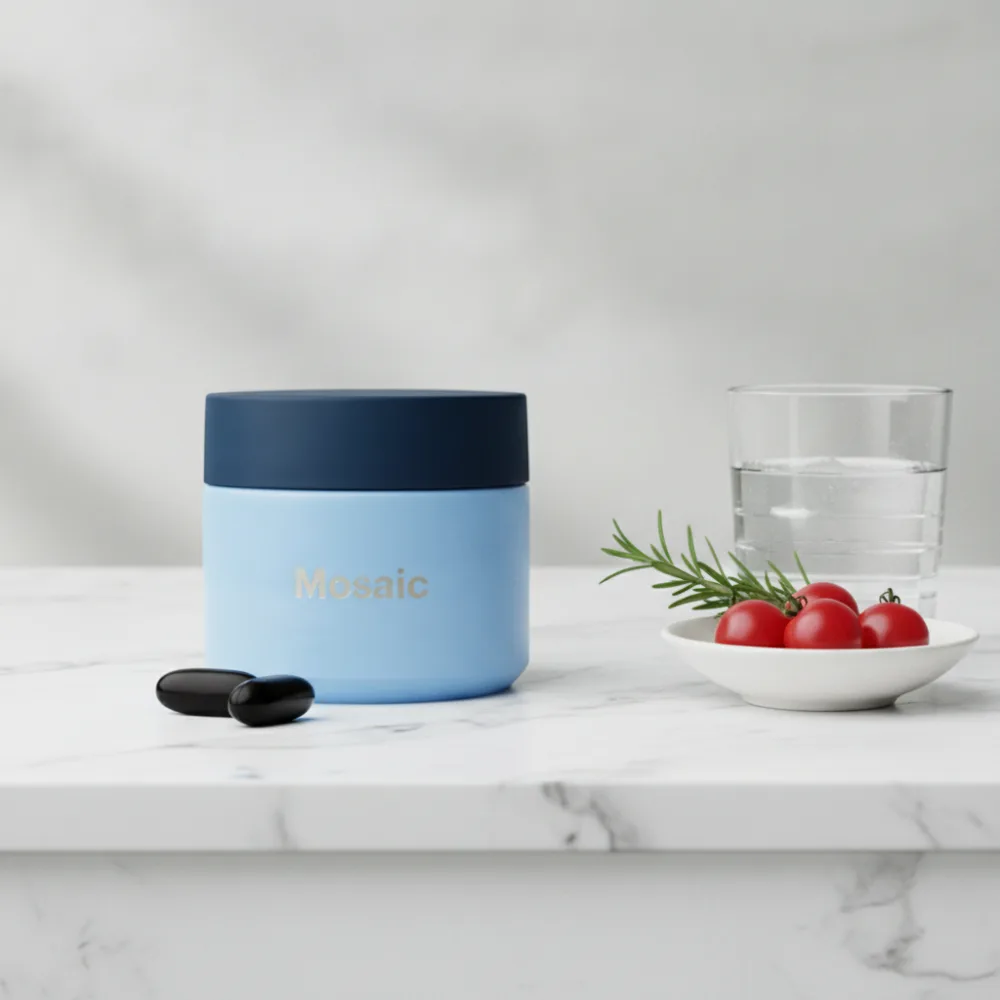
Good Bacteria Rotating Synbiotic Review 2026 - Worth $64? is presented for informational purposes by Elmont Drugs. Talk to a pharmacist or your physician before starting any new supplement, device or treatment.
 Rotating Synbiotic
Good Bacteria Rotating Synbiotic Review: Does Rotation Work?
112 reviews
An honest Good Bacteria Rotating Synbiotic review: whether rotating probiotic strains actually works, the hidden CFU issue, if it beats Seed, the real results, and whether it's worth $64.
Published July 4, 2026
Is the Good Bacteria Rotating Synbiotic worth it? My honest review at a glance
The Good Bacteria Rotating Synbiotic is the sleek, sachet-based gut supplement with a novel hook: instead of the same strains every day, it rotates four different probiotic blends across a 28-day cycle ("you wouldn't eat the same food every day, and your microbes shouldn't either"). It pairs those with a real prebiotic fiber dose and a postbiotic, for $64 a month. Let me be honest and useful from the first line: the ingredients here are genuinely good — well-studied strains, a proper 3g fiber dose, third-party testing. But the whole selling point — "rotation" — isn't clinically proven, the CFU counts aren't disclosed, and at $64 it's premium. So the honest question isn't "is it a scam" (it isn't), but "are you paying extra for an unproven gimmick?" Let me walk you through it.
I went through whether rotation actually works, whether it helps bloating, the hidden CFU, the strains, the in-house study, how it compares to Seed, and whether it's worth $64. Here's my straight, balanced take.
A thoughtfully-formulated synbiotic — well-studied strains (BB-12, LGG), a genuine 3g prebiotic fiber dose, a postbiotic, third-party tested — and many users do feel less bloated. The honest catches: its headline feature, rotating strains weekly, isn't clinically proven to beat a consistent formula (probiotics are mostly transient, and some science suggests steady dosing matters more); the CFU counts aren't disclosed (a real transparency knock); the "94%" figure is an in-house study; and at $64 it's pricier than Seed. Good formula, unproven gimmick.
The essentials of my Good Bacteria review
My rating: 5/10 — genuinely good ingredients wrapped around an unproven "rotation" concept, undisclosed CFU, and a premium price.
Key spec: 1 daily sachet in water — 4 rotating pre/pro/postbiotic blends.
| Detail | Good Bacteria Rotating Synbiotic |
|---|---|
| Brand | Good Bacteria — doctor-formulated, third-party tested, vegan |
| Format | 28 daily drink sachets; rotate 1 of 4 blends each week |
| What's inside | Rotating Lactobacillus/Bifidobacterium strains (incl. BB-12, LGG) + 3g prebiotic fiber + postbiotic |
| The hook | "Rotate strains weekly" — plausible, but not clinically proven |
| Main knocks | CFU undisclosed; rotation unproven; premium price |
| Price | $64/month ($51–58 on subscription) |
✅ What I liked about Good Bacteria
- ✅ Well-studied strains — BB-12 and LGG are two of the most-researched probiotics on earth.
- ✅ A real prebiotic dose — 3g of fiber (FOS, acacia, green banana) is a genuine functional amount, not a sprinkle.
- ✅ Thoughtful, clean formula — adds a postbiotic, third-party tested, vegan, no sugar, no fridge needed.
- ✅ Pleasant format — a tasteless daily sachet that mixes into any cold drink.
❌ What held Good Bacteria back
- ❌ Rotation isn't proven — no study shows rotating strains beats a consistent daily formula; it's a hypothesis.
- ❌ CFU undisclosed — you can't verify how much of each strain you're getting.
- ❌ In-house "evidence" — the "94%" figure is an unpublished, non-placebo company study.
- ❌ Premium price — $64 is more than Seed, for an unproven differentiator.
A genuinely good formula — just know you're paying extra for an unproven "rotation" idea.
In this Good Bacteria Rotating Synbiotic review:
- What is the Good Bacteria Rotating Synbiotic, and what's in it?
- Does rotating probiotic strains actually work in the Good Bacteria synbiotic?
- Does the Good Bacteria Rotating Synbiotic actually work for bloating?
- Why won't Good Bacteria disclose the CFU in its synbiotic?
- Are the Good Bacteria strains and prebiotic any good?
- Can you trust Good Bacteria's "94%" study and 5-star reviews?
- How does the Good Bacteria Rotating Synbiotic compare to Seed?
- Is the Good Bacteria Rotating Synbiotic worth $64?
- My verdict on the Good Bacteria Rotating Synbiotic
- Good Bacteria Rotating Synbiotic FAQ
What is the Good Bacteria Rotating Synbiotic, and what's in it?
It's a daily drink-sachet synbiotic (prebiotic + probiotic + postbiotic) built around one distinctive idea: you rotate a different strain blend each week over a 28-day cycle.
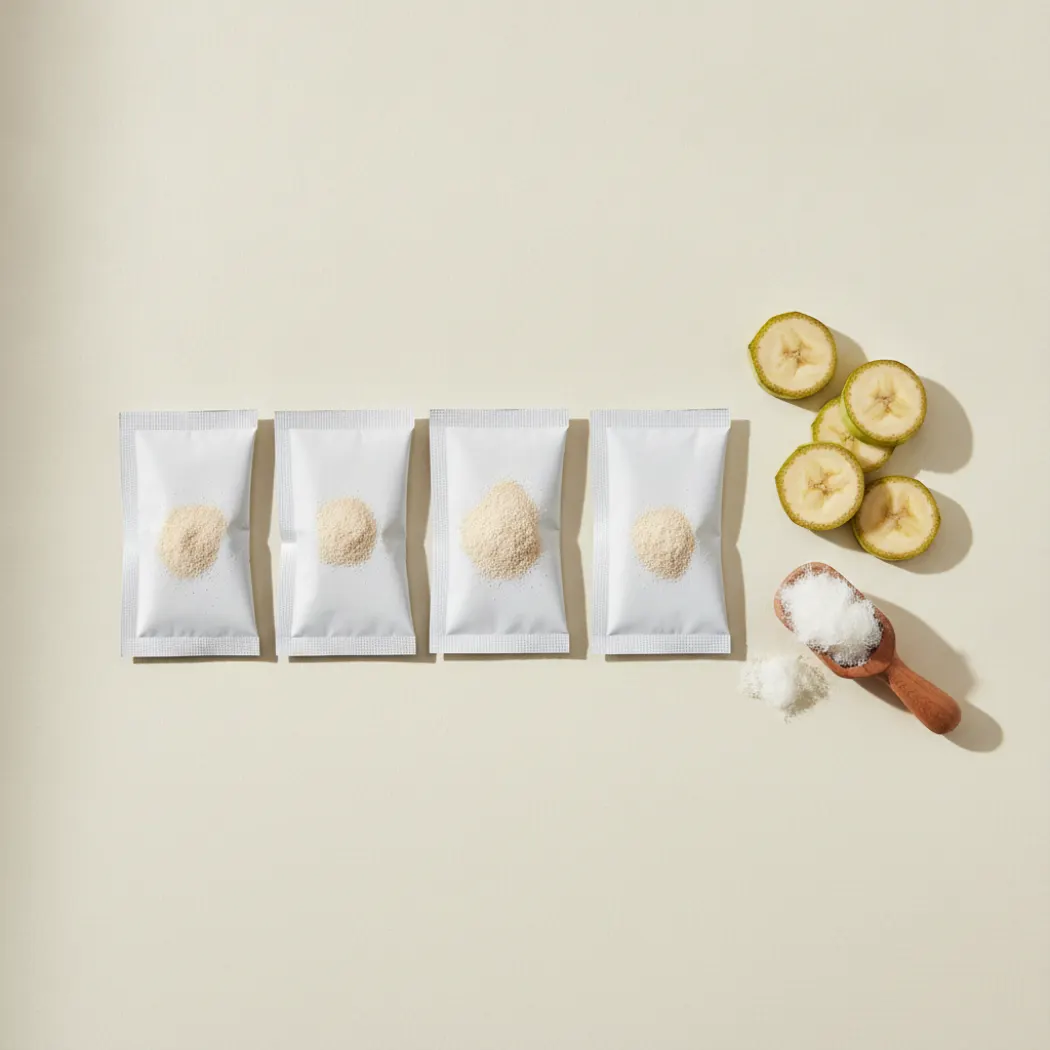
- 🔄 4 rotating weekly blends — "Prime," "Expand," "Peak" and "Balance," each featuring different Lactobacillus and Bifidobacterium strains (including the well-studied BB-12 and LGG).
- 🌾 Prebiotic fiber (3g) — FOS, acacia fiber and green banana flour to feed the bacteria.
- ⚗️ Postbiotic — an inactivated L. reuteri, an on-trend "beyond probiotics" inclusion.
💡 So the formula is genuinely well-thought-out — real strains, a real fiber dose, a postbiotic. The entire premium and the marketing, though, rest on the "rotation" concept — which is exactly what needs the honest scrutiny below.
Does rotating probiotic strains actually work in the Good Bacteria synbiotic?
This is the make-or-break question, and the honest answer is: it's a plausible idea, but it isn't proven.
🔬 The science reality-check: probiotics are largely transient — they mostly pass through and don't permanently colonize your gut, and your baseline microbiome diversity is largely set early in life. So the intuitive "rotate strains for more diversity" pitch is weaker than it sounds. Crucially, no head-to-head study shows that rotating strains beats a consistent, well-dosed daily formula.
⚠️ It can even cut the other way: some experts argue that beneficial strains need to be continuously replenished to maintain their effect, so interrupting a helpful strain each week could theoretically undercut its benefit rather than boost it. Notably, a leading competitor (Seed) explicitly argues against rotation.
➡️ So treat "rotation" as a marketing hypothesis, not a proven advantage. It's not harmful, and variety isn't a bad thing — but it's not a reason to pay a premium, because there's no evidence it works better than a good, steady synbiotic.
Does the Good Bacteria Rotating Synbiotic actually work for bloating?
Regardless of the rotation debate, the underlying formula can genuinely help — for some people.
🗓️ What users report: many describe less bloating, better regularity and feeling "lighter" within a few weeks — some say it's the first probiotic they've actually felt. A common note: bloating or gas in the first week or two, which is a normal adjustment as your gut responds (not a sign it's failing).
🔬 Why it plausibly helps: this benefit most likely comes from the legitimate parts — well-studied strains like BB-12 and LGG (real regularity and comfort data) and a genuine 3g prebiotic fiber dose — not from the rotation. In other words, it works despite the gimmick, because the ingredients are sound.
➡️ So the Good Bacteria synbiotic can genuinely ease bloating and improve regularity over a few weeks — just know that a simpler, cheaper synbiotic with the same strains would likely do the same.
Why won't Good Bacteria disclose the CFU in its synbiotic?
This is the transparency issue that should give a careful shopper pause.
🔢 The problem: Good Bacteria names its strains but doesn't disclose the CFU (colony-forming units) for them — the number that tells you how much live bacteria you're actually getting. Without it, you can't verify effective dosing: a blend could be mostly one cheap strain with only a "fairy-dust" sprinkle of the marquee BB-12 and LGG, and you'd have no way to know.
💡 For context, the rival Seed sidesteps this by publishing its potency (in AFU); Good Bacteria discloses neither CFU nor AFU. That's a legitimate knock for a $64 premium product — transparency is exactly what you're supposed to be paying up for.
➡️ So the strains are good names, but you're trusting the brand on the amounts. It's not a dealbreaker on its own, but combined with the unproven rotation and the premium price, it's a reason to temper enthusiasm.
Are the Good Bacteria strains and prebiotic any good?
Yes — this is genuinely the product's strong suit.
- 🦠 BB-12 and LGG — two of the most-studied probiotic strains in existence, with real human evidence for regularity, digestive comfort and immune support. Including them is a good sign.
- 🌾 3g prebiotic fiber — a real, functional dose (FOS, acacia, green banana flour), well above the token amounts many synbiotics use. This is a genuine plus.
- ⚗️ Postbiotic (inactivated L. reuteri) — an on-trend "beyond probiotics" addition; the evidence is emerging, but it's a thoughtful inclusion.
- ✅ Third-party tested, vegan, no added sugar, shelf-stable.
➡️ So on ingredients and dosing philosophy, Good Bacteria is above average — a legitimately thoughtful formula. The weakness isn't what's in it; it's the unproven rotation claim and the hidden CFU that surround it.
Can you trust Good Bacteria's "94%" study and 5-star reviews?
Take both with a healthy dose of skepticism.
- 📊 The "94% wellbeing / 86% digestion" figures come from a company-run, 120-person, 3-month study that's unpublished and had no placebo group. That's marketing evidence — directional at best, not clinical proof.
- ⭐ The 4.9/5 rating with zero reviews under 4 stars is a mild yellow flag: real probiotic reviews almost always include some non-responders (they genuinely don't work for everyone), so a flawless distribution suggests curated, on-site-only reviews.
- 🎓 The "doctor-formulated" credentials are dressed up — the advisors are real experts, but their affiliations are presented generously: the lead formulator is billed as "Johns Hopkins" yet currently holds her professorship at George Washington University (her degree is from Johns Hopkins), and another advisor listed as "Columbia" practices at the University of Washington (his MD is from Columbia). Credible people, inflated labels.
➡️ None of this means the product is bad — but it means you should judge it on its ingredients and the honest rotation/CFU caveats, not on the glossy stats. A brand this confident could simply publish CFUs and a controlled trial; until it does, treat the numbers as marketing.
How does the Good Bacteria Rotating Synbiotic compare to Seed?
Seed is the default premium alternative shoppers weigh, so here's the honest comparison.
| Feature | Good Bacteria | Seed DS-01 |
|---|---|---|
| Approach | Rotating strains (4 weekly blends) | Consistent 24-strain formula |
| Potency disclosed | No (no CFU/AFU) | Yes (53.6B AFU) |
| Prebiotic fiber | 3g (real dose) | Polyphenol prebiotic (small) |
| Format | Drink sachet | 2 capsules |
| Price/month | $64 ($51–58 sub) | ~$50 |
So which wins? Good Bacteria has the better prebiotic fiber dose and a nicer format; Seed has disclosed potency, finished-product trials, and a lower price — and it explicitly rejects the rotation idea. If you value transparency and evidence, Seed edges it. If you specifically want the 3g fiber and the sachet ritual and don't mind paying for the rotation concept, Good Bacteria is a reasonable pick. For a cheaper, transparent 3-in-1, Ritual Synbiotic+ is another strong option.
Is the Good Bacteria Rotating Synbiotic worth $64?
On the formula, it's fine; on value, it's a stretch.
💰 At $64/month ($51–58 on subscription), you're paying a premium largely for the rotation concept and the brand experience — and rotation is the one thing that isn't proven to add value. The genuinely good parts (well-studied strains, 3g fiber, a postbiotic) can be had for less: Seed (~$50) and Ritual (~$54) are cheaper and disclose more, and a standalone prebiotic like Pendulum Gut Fuel gives you a bigger fiber dose still.
➡️ The value verdict: Good Bacteria isn't overpriced because it's bad — it's overpriced because you're paying extra for an unproven differentiator and undisclosed doses. If the sachet format and 3g fiber genuinely appeal to you, fine; otherwise, you can get the same real benefits cheaper and more transparently.
My verdict on the Good Bacteria Rotating Synbiotic — should you buy it?
Is the Good Bacteria Rotating Synbiotic worth it? My verdict is: a genuinely good formula sold on an unproven gimmick — 5/10.
Credit where due: this is a thoughtfully-built synbiotic. It uses two of the most-studied strains (BB-12, LGG), a real 3g prebiotic fiber dose (better than most), a postbiotic, and it's third-party tested, vegan and clean. Plenty of users genuinely feel less bloated and more regular on it — and that's believable, because the underlying ingredients are sound.
What holds it to a 5 is that its entire premium rests on "rotation," which isn't clinically proven to beat a steady formula (and might even work against continuous-dosing benefits), the CFU counts aren't disclosed so you can't verify what you're getting, the "94%" evidence is an in-house study, and at $64 it's pricier than more transparent rivals.
- 👍 Buy Good Bacteria if you love the sachet ritual, you specifically want the 3g fiber and postbiotic, and you're comfortable paying extra for the rotation concept.
- 👎 Skip it if you want disclosed potency and proven value (Seed), a cheaper transparent 3-in-1 (Ritual), or you don't want to pay for an unproven differentiator.
➡️ Bottom line: the Good Bacteria Rotating Synbiotic is a legitimately good formula whose main selling point — rotating strains — is a marketing hypothesis, not proven science, wrapped in undisclosed CFUs and a premium price. If you want its exact experience, it won't hurt you. But you can get the same real benefits — well-studied strains plus proper fiber — for less money and with more transparency elsewhere.
Good ingredients — but a cheaper, more transparent synbiotic gives you the same real benefits.
Good Bacteria Rotating Synbiotic FAQ
Does rotating probiotic strains actually work?
It's a plausible idea but not proven. Probiotics are mostly transient and don't permanently colonize the gut, and no head-to-head study shows rotating strains beats a consistent, well-dosed daily formula. Some experts argue steady dosing matters more, since beneficial strains need continuous replenishment. Treat rotation as marketing, not a proven advantage.
Does the Good Bacteria Rotating Synbiotic actually work?
For many people, yes — but likely because of its legitimate ingredients, not the rotation. Its well-studied strains (BB-12, LGG) and genuine 3g prebiotic fiber can ease bloating and improve regularity over a few weeks. First-week gas or bloating is a normal adjustment. A simpler synbiotic with the same strains would likely do the same.
Why doesn't Good Bacteria disclose CFU?
It names its strains but doesn't publish CFU (or AFU), so you can't verify how much live bacteria you're getting — a blend could be mostly one cheap strain with a sprinkle of the marquee ones. For a $64 premium product, and versus Seed (which publishes AFU), that's a legitimate transparency knock.
Good Bacteria vs Seed — which is better?
Good Bacteria has a bigger prebiotic fiber dose (3g) and a nicer sachet format; Seed discloses its potency (AFU), has finished-product trials, costs less (~$50), and rejects the rotation idea. If you value transparency and evidence, Seed edges it. If you want the fiber and the sachet ritual and accept the rotation concept, Good Bacteria is reasonable.
Are the strains in Good Bacteria good?
Yes — that's its strong suit. BB-12 and LGG are two of the most-studied probiotics in the world, with real evidence for regularity and digestive comfort, and the 3g prebiotic fiber is a genuine functional dose. The weakness isn't the ingredients; it's the unproven rotation claim and the undisclosed CFU around them.
Is the "94%" study trustworthy?
Treat it as marketing. The 94%/86% figures come from a company-run, 120-person, 3-month study that's unpublished and had no placebo group, so there's no control to compare against. Combined with an all-positive review page, the glossy stats aren't clinical proof — judge the product on its ingredients and honest caveats instead.
Is the Good Bacteria Rotating Synbiotic worth $64?
On value, it's a stretch. You're paying a premium mainly for the rotation concept (unproven) and the brand experience. The genuinely good parts — well-studied strains, 3g fiber, a postbiotic — can be had for less from Seed (~$50) or Ritual (~$54), both of which disclose more. Buy it for the format, not the value.
Keep reading before you buy the Good Bacteria Rotating Synbiotic
Synbiotics vary a lot — here's how Good Bacteria compares:
- Ritual Synbiotic+ review — a cheaper, more transparent 3-in-1 with disclosed strains.
- Gundry MD Bio Complete 3 review — another 3-in-1 synbiotic (with a tributyrin postbiotic).
- Pendulum Gut Fuel review — a standalone prebiotic fiber at a bigger dose.
- Thorne Gut Health Stack review — a probiotic + fiber + botanicals bundle.
- How your pharmacist helps manage medications and supplements — useful before any new supplement.
Disclaimer: This Good Bacteria Rotating Synbiotic review is independent editorial information, not medical advice. Dietary supplements are not intended to diagnose, treat, cure or prevent any disease. BB-12 and LGG have substantial human research and prebiotic fiber supports regularity, but the product's central claim — that rotating probiotic strains weekly is superior to a consistent formula — is not established by clinical evidence; probiotics are largely transient and do not permanently colonize the gut. The manufacturer does not disclose CFU (or AFU) counts, so per-strain dosing cannot be verified, and the "94%/86%" figures come from an unpublished, non-placebo-controlled in-house study. Individual results vary, and temporary gas or bloating can occur when starting. If you are immunocompromised, pregnant or breastfeeding, take medication, or have a medical condition, consult a licensed healthcare professional before use, and see a doctor for persistent or severe digestive symptoms. This page may contain affiliate links; we may earn a commission at no extra cost to you, which never changes our honest assessment. Pricing and formulation were accurate at the time of writing (July 2026) and may change — verify on the official site.