Pendulum Gut Fuel Review 2026 - Is This Fiber Worth It? is presented for informational purposes by Elmont Drugs. Talk to a pharmacist or your physician before starting any new supplement, device or treatment.
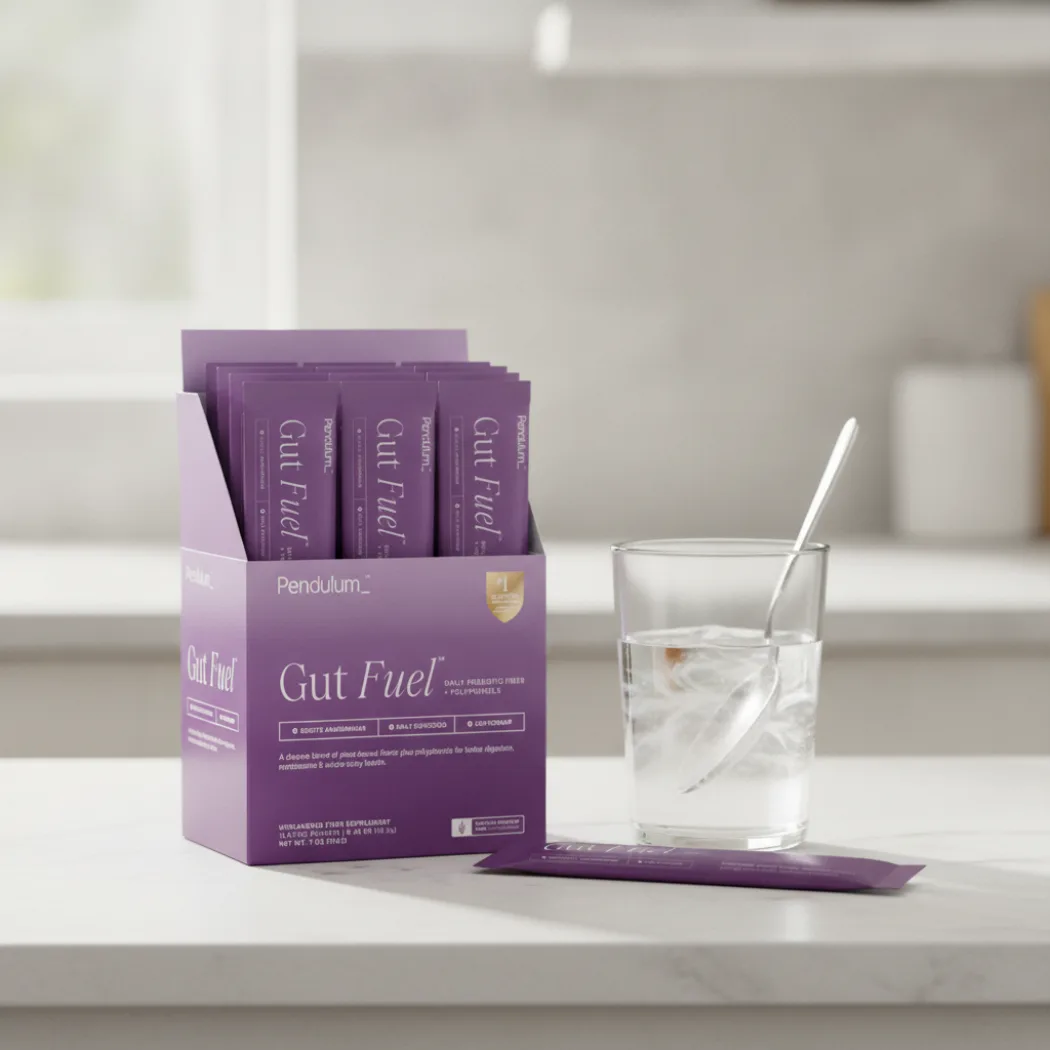 Prebiotic Fiber
Pendulum Gut Fuel Review: Is This Prebiotic Fiber Worth $40?
210 reviews
An honest Pendulum Gut Fuel review: whether the gentle low-FODMAP fiber and polyphenols actually work, if it's really less gassy, the truth about the survey claims, and whether it's worth $40 vs cheap fiber.
Published July 3, 2026
Is Pendulum Gut Fuel worth it? My honest review at a glance
Pendulum Gut Fuel is a new (March 2026) prebiotic fiber-and-polyphenol drink from Pendulum — the science-forward brand best known as the Akkermansia probiotic leader. It promises to close your daily "fiber gap," support gut health and regularity, and do it gently, without the gas that fiber usually causes. Here's my honest starting point: the genuinely good part is real — Gut Fuel uses soft, slow-fermenting, low-FODMAP fibers (resistant potato starch, baobab, acacia, oat beta-glucan) that are legitimately easier on the stomach than the fermentable fibers in cheaper powders, plus grape-seed polyphenols as a bonus. The catches: it delivers only 6g of fiber (a fiber-gap topper, not a clinical dose), its impressive stats come from the brand's own survey, and at ~$40 it's pricey next to generic fiber. Let me separate the real edge from the marketing.
I dug into whether it's actually gentler, whether it works for bloating and regularity, the truth behind the polyphenol and craving claims, the Akkermansia confusion, and whether it justifies the price. Here's my straight, sourced take.
A genuinely gentle, low-FODMAP prebiotic fiber (resistant potato starch, baobab, acacia, oat beta-glucan) plus polyphenols, from a credible science brand — and its slow-fermenting fibers really are easier on gas than the wheat dextrin or inulin in cheaper powders. It's a nice, clean way to close the fiber gap and support regularity. The honest catches: it's only 6g of fiber (below the ~12–20g clinical dose), its 91%/95% stats are self-reported brand surveys (not trials), the polyphenol and "craving" benefits are modest and unproven, and at ~$40 it's far pricier than generic fiber. Great for gas-prone fiber users — you're paying a premium for gentleness and polyphenols.
The essentials of my Pendulum Gut Fuel review
My rating: 7/10 — a genuinely gentle, well-formulated low-FODMAP fiber from a credible brand, held back by a modest 6g dose, survey-based claims and a premium price.
Key spec: 1 stick in water daily — 6g gentle low-FODMAP fiber + polyphenols.
| Detail | Pendulum Gut Fuel |
|---|---|
| Brand | Pendulum — a science-founded microbiome brand (the Akkermansia leader) |
| Format | Unflavored drink sticks/powder; 1 stick in water daily |
| Ingredients | Resistant potato starch, baobab, acacia, oat beta-glucan + grape-seed polyphenols (6g fiber) |
| Best for | Closing the fiber gap gently, gut health, gas-prone/low-FODMAP users |
| Not a | Probiotic (it's not the Akkermansia), fast debloat, or weight-loss product |
| Price | ~$40 (from ~$30/mo on subscription); ~$1–1.33 per serving |
✅ What I liked about Pendulum Gut Fuel
- ✅ Genuinely gentle — slow-fermenting, low-FODMAP fibers are easier on gas than inulin or wheat dextrin.
- ✅ Diverse, quality fiber blend — resistant starch, acacia, baobab and oat beta-glucan, not one cheap filler fiber.
- ✅ Polyphenols as a bonus — grape-seed proanthocyanidins add antioxidant/prebiotic-adjacent support.
- ✅ Blends clean and tasteless — no grit or goop, which makes it easy to actually stick with.
- ✅ Credible, science-forward brand with a genuine microbiome focus.
❌ What held Pendulum Gut Fuel back
- ❌ Only 6g of fiber — a fiber-gap topper, below the ~12–20g used in clinical studies.
- ❌ Survey-based claims — the 91%/95% figures are self-reported brand surveys, not trials.
- ❌ Pricey — ~$40 vs a few dollars for generic fiber; you pay for gentleness + polyphenols.
- ❌ Modest extras — the polyphenol and "craving" benefits are plausible but thinly proven.
💡 Best if fiber usually makes you gassy — the gentle low-FODMAP blend is the real reason to pick it.
In this Pendulum Gut Fuel review:
- What is Pendulum Gut Fuel, and how does it work?
- Will Pendulum Gut Fuel make you gassy, or is it gentler?
- Does Pendulum Gut Fuel actually work for bloating and regularity?
- Are Pendulum Gut Fuel's polyphenols and craving claims legit?
- Is Pendulum Gut Fuel the same as Pendulum's Akkermansia probiotic?
- Is Pendulum Gut Fuel worth $40 versus cheap fiber?
- How does Pendulum Gut Fuel compare to other fiber options?
- How do you take Pendulum Gut Fuel, and who should skip it?
- My verdict on Pendulum Gut Fuel
- Pendulum Gut Fuel FAQ
What is Pendulum Gut Fuel, and how does it work?
Pendulum Gut Fuel is a prebiotic fiber drink — you stir an unflavored stick into water once a day to add 6g of fiber plus polyphenols. Its whole design philosophy is "gentle": rather than one cheap, gassy fiber, it uses a diverse blend of soft, slow-fermenting fibers chosen to feed your good gut bacteria without the bloating that fiber often causes.
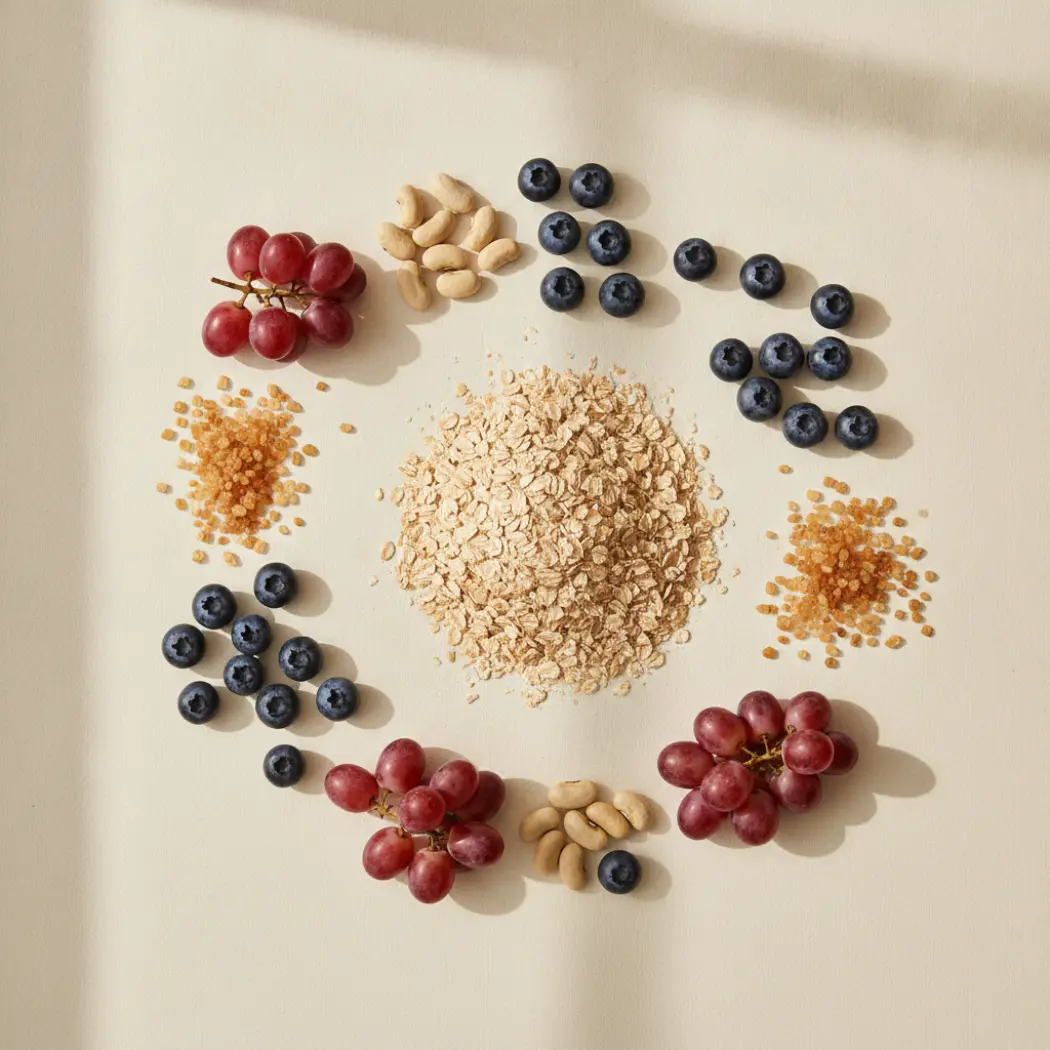
What's in the blend and why:
- 🥔 Resistant potato starch — a prebiotic that feeds beneficial bacteria (including Akkermansia) and produces beneficial short-chain fatty acids.
- 🌳 Acacia & baobab fiber — soluble, low-FODMAP, slow-fermenting fibers known for being gentle on gas.
- 🌾 Oat beta-glucan — a soluble fiber that supports satiety (note: oats' famous cholesterol benefit needs ~3g/day of beta-glucan, and the amount here is likely well below that).
- 🍇 Grape-seed polyphenols — antioxidant compounds that may also nourish the microbiome.
💡 So Gut Fuel is a thoughtfully-built "close the fiber gap, gently" product — a diverse, low-FODMAP fiber matrix plus polyphenols. That's a genuinely nicer formula than a single fermentable fiber; the questions are about dose, the survey claims, and price, which the rest of this review tackles.
Will Pendulum Gut Fuel make you gassy, or is it gentler?
This is the single most important reason to consider Gut Fuel over a cheaper fiber, so let me be precise.
💨 The honest science: not all fiber is equal on gas. Fibers that ferment fast (like inulin/FOS, or the wheat dextrin in Benefiber) feed bacteria quickly and produce more gas — which is why so many people say "fiber makes me more bloated." Gut Fuel deliberately uses slow-fermenting, low-FODMAP fibers (acacia, resistant starch, baobab) that are genuinely gentler, and the product is labeled low-FODMAP — a real plus for IBS-prone and gas-prone people.
⚠️ The honest caveat: any fiber can cause some gas as your gut adjusts, especially in the first week or two. "Gentler" doesn't mean "zero gas," and ramping up too fast can still bloat you.
➡️ The fair read: if you're someone who reacts badly to inulin or wheat dextrin, Gut Fuel's low-FODMAP, slow-ferment blend is a legitimately better-tolerated choice — this is its strongest, most defensible advantage. Just start with a low amount and build up, and expect a short adjustment period rather than instant zero-gas perfection.
Does Pendulum Gut Fuel actually work for bloating and regularity?
For its real purpose — fiber and regularity — yes, with honest expectations.
🗓️ What to realistically expect:
- It helps close the fiber gap (most people eat ~15g/day vs the recommended 25–38g) and supports more regular, comfortable digestion over days to a couple of weeks.
- For bloating that comes from being backed up or under-fibered, getting regular with a gentle fiber genuinely helps.
- It is not a fast "debloat" pill — it's a daily habit that works gradually, not an instant flat-stomach fix.
⚠️ On the evidence: Pendulum cites strong-sounding stats (e.g. "91% reported improved gut health," "95% closed their fiber gap"). Be clear-eyed here — those come from the brand's own consumer survey (around 134 users, 4 weeks, self-reported), not a randomized clinical trial. That's suggestive marketing, not proof. The real reason to trust it is the sound fiber science, not the percentages.
➡️ Bottom line: Gut Fuel does what a good daily fiber should — gently improves regularity and gut comfort over time. Treat it as a fiber-gap and gut-health habit, not a targeted debloat cure, and the survey stats as marketing rather than evidence.
Are Pendulum Gut Fuel's polyphenols and craving claims legit?
These are the two "premium" selling points, so they deserve honest grading.
🍇 Polyphenols (grape-seed proanthocyanidins): polyphenols are genuinely interesting for gut and metabolic health, and pairing them with fiber is smart. But be honest about the strength: evidence for isolated polyphenol supplements is modest and early (whole foods like berries do more), and Gut Fuel doesn't disclose the polyphenol dose. Treat them as a nice bonus, not the reason to buy.
🍽️ Craving/appetite claims: fiber can modestly improve fullness, and Pendulum leans into the "GLP-1 era" fiber conversation. But any appetite or "craving" effect from Gut Fuel is indirect and small — it is not a weight-loss product and not comparable to GLP-1 medications. Reduced snacking is plausible for some, not guaranteed.
➡️ So the polyphenols and craving angle are real-but-modest bonuses, not proven headline benefits. Buy Gut Fuel for the gentle fiber; treat the extras as pleasant maybes.
Is Pendulum Gut Fuel the same as Pendulum's Akkermansia probiotic?
No — and this trips up a lot of people, so it's worth clearing up plainly.
Pendulum is famous for its Akkermansia muciniphila probiotic (live bacteria in a capsule). Gut Fuel is a different product entirely: it's a fiber-and-polyphenol drink with no live probiotic in it. What it does is feed your existing good bacteria — including Akkermansia — which is why the label says "boosts Akkermansia." Think of it as the fuel, not the bacteria.
➡️ Practical takeaway:
- If you want live Akkermansia, that's Pendulum's Akkermansia probiotic (the clinically-studied one), not Gut Fuel.
- If you want to feed your gut bacteria with gentle fiber, that's Gut Fuel.
- Some people use both (fuel + bacteria), but don't buy Gut Fuel expecting a probiotic — it isn't one.
Is Pendulum Gut Fuel worth $40 versus cheap fiber?
This is the real value question, because fiber can cost pennies.
💰 At around $40 for a month (~$1–1.33 per serving) for 6g of fiber, Gut Fuel is expensive per gram of fiber — generic psyllium or wheat dextrin costs a small fraction of that. And 6g is a fiber-gap topper, not the ~12–20g/day used in clinical prebiotic research, so you're not getting a "clinical dose" for the money.
So what does the premium actually buy?
- 👍 The gentle, low-FODMAP, diverse fiber blend (genuinely better tolerated than cheap fermentable fiber).
- 👍 The polyphenols and the clean, tasteless, easy-to-mix experience (which helps you actually stick with it).
- 👍 A credible microbiome brand.
- 👎 But not more fiber, a clinical dose, or proven superiority in outcomes.
➡️ Value verdict: Gut Fuel is worth the premium if cheap fiber makes you gassy and you value the gentle blend, polyphenols and easy mixability. If you just want to close the fiber gap cheaply and tolerate basic fiber fine, a generic fiber or plain PHGG gives you most of the benefit for a fraction of the price.
How does Pendulum Gut Fuel compare to other fiber options?
Here's the honest lineup, because fiber type and price vary a lot.
| Product | ~Price | Fiber | Note |
|---|---|---|---|
| Pendulum Gut Fuel | ~$40 | 6g gentle low-FODMAP blend + polyphenols | Gentlest + polyphenols; priciest; modest dose |
| Benefiber | ~$15 | ~3g wheat dextrin (fermentable) | Cheap, taste-free; can be gassier |
| PHGG (e.g. Sunfiber) | ~$19 | ~5–6g PHGG (low-FODMAP) | Gentle, IBS-friendly, cheap; no polyphenols |
| Metamucil | ~$25 | ~2–3g psyllium (non-fermenting) | Best regularity evidence; gritty; no polyphenols |
So which should you pick? If you want the gentlest blend plus polyphenols and don't mind paying, Gut Fuel. If you're gas-prone but budget-focused, plain PHGG (Sunfiber) gives you most of the gentleness for far less. For proven constipation relief, psyllium (Metamucil). For cheap everyday taste-free fiber, Benefiber. Gut Fuel's niche is being the premium, gentle, polyphenol-boosted option — genuinely nicer, but not uniquely necessary.
How do you take Pendulum Gut Fuel, and who should skip it?
Mix one stick into water (it's unflavored and blends clean) once daily. The smart way to start:
- 🥄 Start low if you're fiber-sensitive — even gentle fiber benefits from a gradual ramp.
- 💧 Drink water — fiber needs fluid to work and to minimize gas.
- 🗓️ Give it a couple of weeks — regularity and comfort build with consistency.
👎 You should skip Gut Fuel if:
- You just want cheap regularity and tolerate basic fiber fine — generic PHGG or psyllium is far cheaper.
- You want a probiotic — this is fiber, not the Akkermansia.
- You expect weight loss or a fast debloat — it's neither.
- You have methane-dominant SIBO — adding fermentable fiber can sometimes worsen things; see a targeted approach and a doctor.
A pharmacist can help you fit fiber around your meds and gut — see how your pharmacist helps you use supplements safely.
My verdict on Pendulum Gut Fuel — should you buy it?
Is Pendulum Gut Fuel worth it? My verdict is: a genuinely nice, gentle fiber that's priced at a premium — 7/10.
I like this product. It's a thoughtfully-formulated, low-FODMAP, gentle prebiotic fiber from a credible science brand, and its slow-fermenting blend is a real, defensible advantage for the many people who get gassy on inulin or wheat dextrin. It blends clean and tasteless (so you'll actually keep using it), and the polyphenols are a sensible bonus. For a gas-prone person who wants to close the fiber gap comfortably, it's one of the nicer options out there.
What keeps it at a 7: it delivers only 6g of fiber (a fiber-gap topper, not a clinical dose), its headline stats are self-reported brand surveys rather than trials, the polyphenol and craving benefits are modest and thinly proven, and at ~$40 it's far pricier than generic fiber that would tolerate fine for many people. It's a premium version of something you can partly get cheaper.
- 👍 Buy Gut Fuel if cheap fiber makes you gassy, you want a gentle low-FODMAP blend plus polyphenols, and you value the clean, easy-to-use experience from a credible brand.
- 👎 Skip it if you tolerate basic fiber fine (get cheaper PHGG/psyllium), you want a probiotic (that's the Akkermansia), or you expect weight loss or a fast debloat.
➡️ Bottom line: Pendulum Gut Fuel is one of the gentler, cleaner, better-formulated fiber drinks you can buy — a legitimately good pick if fiber usually bloats you. Just go in knowing it's a modest 6g dose sold on brand surveys at a premium price, and that a cheaper gentle fiber (PHGG) gets budget-minded, gas-prone people most of the way. If the gentleness, polyphenols and brand matter to you, it's a fair buy.
A gentle, clean daily fiber — start low, drink water, and give it a couple of weeks.
Pendulum Gut Fuel FAQ
Does Pendulum Gut Fuel actually work?
For closing the fiber gap and supporting regularity and gut comfort, yes — over days to a couple of weeks. Its gentle, low-FODMAP fibers are easier on gas than cheaper fermentable fiber. It's a daily fiber habit, not a fast debloat, and its headline stats come from brand surveys rather than clinical trials.
Will Pendulum Gut Fuel make me gassy?
Less than most fiber. It uses slow-fermenting, low-FODMAP fibers (acacia, resistant starch, baobab) that produce less gas than inulin or wheat dextrin, and it's labeled low-FODMAP. But any fiber can cause some gas as your gut adjusts, so start with a low amount, build up gradually, and drink water.
Is Pendulum Gut Fuel the same as the Akkermansia probiotic?
No. Gut Fuel is a fiber-and-polyphenol drink with no live bacteria in it — it feeds your good bacteria (including Akkermansia). Pendulum's Akkermansia probiotic is a separate capsule product with live bacteria. If you want the probiotic, that's the Akkermansia; Gut Fuel is the "fuel," not the bacteria.
Is Pendulum Gut Fuel worth $40 versus cheap fiber?
Only if cheap fiber makes you gassy or you value the gentle blend and polyphenols. At ~$40 for 6g/serving it's expensive per gram of fiber, and 6g is a fiber-gap topper, not a clinical dose. Budget-minded, gas-prone users can get most of the gentleness from plain PHGG (Sunfiber) for far less.
Does Pendulum Gut Fuel help with cravings or weight loss?
Only modestly and indirectly. Fiber can improve fullness, but Gut Fuel is not a weight-loss product and is not comparable to GLP-1 medications. Reduced snacking is plausible for some people, not guaranteed, and there's no Gut-Fuel-specific proof of a craving or weight effect.
Do the polyphenols in Pendulum Gut Fuel do anything?
They're a reasonable bonus. Grape-seed polyphenols have antioxidant and prebiotic-adjacent interest, and pairing them with fiber is smart. But the evidence for isolated polyphenol supplements is modest and early, the dose isn't disclosed, and whole foods (berries) provide more. Treat them as a nice extra, not the main reason to buy.
How do you take Pendulum Gut Fuel, and are there side effects?
Mix one unflavored stick into water once daily; it blends clean with no grit. It's generally well tolerated; the main effect is some temporary gas as your gut adjusts, minimized by starting low, ramping up, and drinking water. If you have a GI condition (like methane SIBO), take medications, or are pregnant, check with a professional first.
Keep reading before you buy Pendulum Gut Fuel
Fiber type and brand matter — here's how Gut Fuel compares:
- Benefiber review — a cheaper wheat dextrin fiber that's more fermentable (and can be gassier) than Gut Fuel.
- Happy Mammoth Complete Belly Reset review — another gentle PHGG-style fiber blend.
- Akka (Akkermansia) review — where Pendulum's clinically-studied live Akkermansia is the benchmark (Gut Fuel feeds it, but isn't it).
- How your pharmacist helps manage medications and supplements — useful before adding a daily fiber.
Disclaimer: This Pendulum Gut Fuel review is independent editorial information, not medical advice. Dietary supplements and fiber products are not intended to diagnose, treat, cure or prevent any disease. Gut Fuel is a prebiotic fiber (not a probiotic and not the Akkermansia product), and delivers 6g of fiber per serving — below the ~12–20g doses used in clinical prebiotic research. Its "91%/95%" figures come from the brand's own self-reported consumer survey (about 134 users, 4 weeks), not a randomized controlled trial, and its polyphenol, appetite/craving and metabolic benefits are mechanistically plausible but not clinically proven; it is not a weight-loss product. Any fiber can cause temporary gas or bloating — start low, increase gradually, and drink water. If you are pregnant, breastfeeding, take medication, or have a gastrointestinal condition (such as methane SIBO), consult a licensed healthcare professional. This page may contain affiliate links; we may earn a commission at no extra cost to you, which never changes our honest assessment. Pricing and formulation were accurate at the time of writing (July 2026) and may change — verify on the official site.